



The sudden news about hantavirus sparked emotional reactions worldwide. After the trauma of COVID‑19, many people fear a repeat scenario — isolation, closed borders, and uncertainty. But is there really reason to panic? This article explains what happened, how hantavirus spreads, why the risk for Europe is minimal, and how simple prevention keeps you safe. No fear — just facts and common sense.
- Details
- Written by: Management
- Category: Medicine in the patient's language
- Hits: 63
Read more: Hantavirus: Why Everyone Panicked — and Is There Really a Reason for Concern?

A picnic is meant for relaxation, yet it’s also where burns, insect bites, allergies, injuries and digestive issues happen most often. A well‑prepared first aid kit prevents panic and helps you care for adults, children and infants quickly and safely. Here’s what you should take with you — explained clearly by a medical professional.
- Details
- Written by: Alla Korolevska
- Category: Medicine in the patient's language
- Hits: 11
Read more: Picnic First Aid Kit — What to Take for a Safe and Comfortable Outdoor Trip
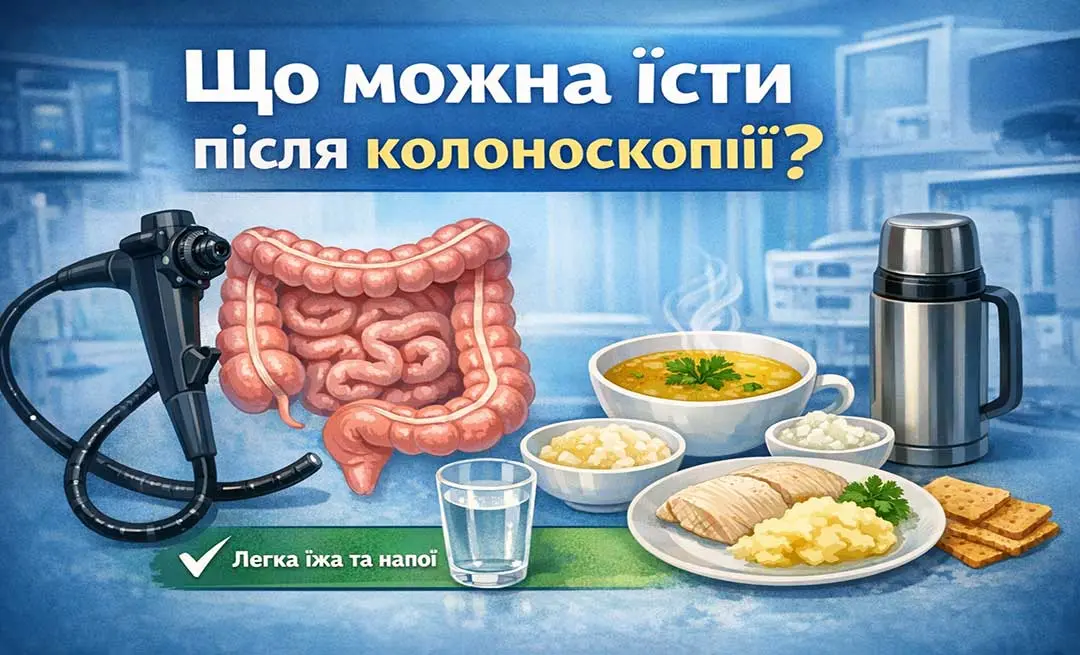
It is worth asking yourself this question before the colonoscopy! To take, for example, warm broth or tea in a thermos with you and be ready.
And although there is no such diet or strict recommendations on this matter, my more than 20 years of practical medical experience, mostly in surgery and endoscopy, allows me to give a clearer answer to this question.
Let's go step by step:
When can you start drinking or eating after a colonoscopy
Let's start with the fact that a colonoscopy can be performed both under sedation or short-term sleep, and without. And this already requires attention. For example, after a colonoscopy under sedation, the patient will rest for a certain time, so this question is somewhat postponed in time, at least for half an hour, until the patient wakes up. But it is possible immediately, if the patient is able.
When a colonoscopy was performed on the same day as a gastroscopy, you can start drinking only after the swallowing reflex has been restored, which can take up to an hour after the examination. This is because local anesthesia is often used for gastroscopy, which “freezes” the ability to swallow. Again, it is individual and in some patients the swallowing reflex works immediately and you can drink and eat or not immediately. I always play it safe and remind the patient: first try to take a small sip and, if everything goes well, you can drink and eat immediately after the restoration of swallowing.
What should you start drinking or eating after a colonoscopy?
With ordinary drinking water in any case. And with a small sip of water - to check the ability to swallow. If everything has been restored, you can continue to drink and eat. There is one more nuance after a gastroscopy. If there was a biopsy, it is better to take chilled water and regular ice cream for the first appointment (if there are no prohibitions). If only a colonoscopy was performed, then it is possible and better to take warm sweet tea or light broth, which will help restore the water-electrolyte balance as quickly as possible and simply come to your senses.
The first drink or meal after a colonoscopy should be small
It is advisable to gradually resume eating and drinking according to the specified dietary recommendations for the next 3 days with a gradual return to the usual diet and diet. What is a special diet as one of the stages before a colonoscopy? These are those foods, dishes, and meal regimens that allow you to minimize the load on the intestines.
It is advisable to change the usual three-time meal to 5-6-time meals. I tell my patients how to simplify this task: in fact, we definitely leave the main 3 meals: namely, breakfast, lunch and dinner, but we divide each of them into 2 parts. How? Let's simplify the task as much as possible for a busy person: for example, we divide lunch into main meals and in 1-2 hours you can drink compote, tea or another drink. This reduces the load on the gastrointestinal tract and facilitates digestion. It helps to achieve the goal simply and effectively!
Diet after colonoscopy
There is no such diet after colonoscopy, but at least the first three days after the study involves easily digestible refined food that contains almost no indigestible substances. I will note the mandatory consideration of your personal needs if you have a special permanent diet, for example, with diabetes, phenylketonuria and other diseases.
That is, it is advisable to apply all the dietary recommendations that you used to prepare for the study in the first days after it.
Partial restrictions on drinks and food after colonoscopy:
Solid food, black and white bread; all grain products (whole grain pasta, products containing crushed grains, nuts, poppy seeds, sesame seeds, coconut flakes, etc.); yogurt containing fillers (pieces of fruit and berries, muesli); pudding (with additives); sour cream, colostrum, fatty cottage cheese, cabbage soup and borscht, milk soups, cream soups, okroshka; fatty meats, duck, goose, smoked meats, sausages, sausages; fatty fish (dishes made from herring, mackerel, trout, salmon); all fresh vegetables; cabbage in any form; all types of greens; all fruits, berries, dried fruits (raisins, prunes, dried apricots); alcoholic beverages, kvass, carbonated water, dried fruit drinks with fruit pulp; spicy seasonings (horseradish, pepper, mustard, onion, vinegar, garlic), seasonings with grains, herbs; pickles, canned food, salty and pickled dishes, especially mushrooms; seaweed…
You can eat after a colonoscopy:
Oh… And what can you eat then? Correctly allow yourself:
- Crackers (without additives, sesame and poppy seeds).
- Low-fat cottage cheese, cheeses, natural yogurt (without additives), no more than 2 glasses of skim milk.
- Soups on low-fat broth.
- Well-cooked dishes from low-fat beef, veal, chicken, turkey, rabbit in boiled form, also in the form of steam cutlets, meatballs.
- Low-fat fish (dishes made from cod, pike perch, perch, pike…)
- Food can be boiled, baked in the oven, microwave, pressure cooker and steamer.
- Tea, weak coffee, compotes, jelly, juices (clear, without pulp, from dried fruits, berries, grains).
- Sugar, honey, jelly, syrup.
After a colonoscopy under sedation or light anesthesia, it is better to coordinate coffee and cigarette smoking with your doctor, because there may be nuances depending on the situation!
Coffee after a colonoscopy
There is no strict ban on coffee. But considering that the colonoscopy itself, as well as sedation, are quite stressful factors for the cardiovascular system, and coffee only plays the role of an additional load, it is better to postpone the first cup of coffee.
Indeed, after a cup of coffee, there is a feeling of restoration of strength for 15-20 minutes, and then the state returns to the previous one. This is explained by the pharmacological properties of coffee.
Given the stimulating effect of coffee on intestinal peristalsis, I recommend that my patients wait a little with coffee, because the increased peristalsis of an already tired colon, i.e. preparation for the procedure, and the colonoscopy itself, coffee will also add to the load on it.
Smoking after colonoscopy
You can discuss smoking for a long time and philosophically prohibit it, of course I can, but heavy smokers will not listen to me at all. But a few words are worth saying. If polyps were removed during a colonoscopy, this can be equated to a mini-operation and the name is accordingly - polypectomy, the places of their removal require healing, and smoking can affect this process, so for at least a week it is worth limiting at least the number of cigarettes smoked per day!. Regarding the increased risk of bleeding after polypectomy: indeed, Nicotine narrows the blood vessels, affects their tone, but can also prevent the healing of small contact irritations.
If the procedure was performed under sedation (drug sleep), smoking can increase dizziness and discomfort. Therefore, after a colonoscopy, it is still worth at least getting home and then reaching for a cigarette, but it is better to postpone it for a while.
After a colonoscopy, gas may remain in the intestinal cavity, which was used to inflate it for a reliable examination of the mucosa, and bloating and gas formation are possible, which smoking can increase. I will not repeat myself: decide for yourself)
Alcohol after a colonoscopy
I will repeat quite rhetorically that alcohol is harmful to health.
And I must emphasize: do not drink alcohol in the first 2-3 days after a colonoscopy with or without sedation, because alcohol has the opposite effect on the psychotropic effect of propofol with dormicum. And it is very difficult to predict the result of such an interaction. Therefore, take care of yourself! And it is better to give yourself and your body the opportunity to just get enough sleep and rest. Alcohol enhances the depressing effect of drugs during sedation on the central nervous system, which can lead to respiratory arrest, a drop in blood pressure and death. After sedation, it is forbidden to drink alcohol for 24 hours after sedation, and it is better to wait a few days. In people who often drink alcohol, propofol can cause “paradoxical excitement” instead of sedation. How do we see this? It looks like the patient is sleeping, but at this time he seems to be dancing, lying on the table. Of course, under such circumstances, the dosage of drugs is changed and the procedure time is extended until the patient is so-called calmed down.
- Details
- Written by: Alla Korolevska
- Category: Medicine in the patient's language
- Hits: 20

Have you ever paid attention to your bilirubin levels when you get blood test results? These values reflect liver function, biliary drainage, and metabolism. In a healthy person they always fall within the normal range. An elevation in any one of them often triggers panic in the patient—and sometimes in the doctor—because it can signal jaundice, which itself may indicate or complicate serious illness. Other diagnostic tests and procedures usually help rule out alarming causes, so doctors frequently “sound the alarm” and order further workups whenever bilirubin is high.
But when elevated bilirubin is the only abnormal finding—while all other lab tests and imaging studies remain within physiological norms—the question arises: could this be Gilbert’s syndrome? And if so, what is it?
Gilbert’s syndrome is a hereditary (genetic) disorder—also called primary hyperbilirubinemia—characterized by a mild inability of the liver to conjugate bilirubin, leading to temporary rises in blood levels. Clinically it manifests as barely noticeable yellowing of the skin and mucous membranes, which is why it often goes undiagnosed. Think of Gilbert’s syndrome as the body’s Achilles’ heel: under stress the bilirubin level spikes. Many patients live their entire lives without ever suspecting they carry this genetic trait.
Bilirubin is more than just a yellow pigment; at high concentrations it acts like an endogenous toxin, impairing brain function and sometimes revealing itself only as an incidental finding—often first detected in adulthood or later life, as I’ve seen in several surgical consultations.
Manifestations of Gilbert’s syndrome are non-specific and can involve the nervous system (fatigue, lethargy, irritability, sleep disturbances), the gastrointestinal tract (right-upper-quadrant discomfort, bloating, nausea, bitter taste), and the skin (itching, dryness, intermittent rashes). Patients may bounce from one specialist to another without relief, and sometimes receive unnecessary treatments.
Diagnosis rests on measuring fasting venous bilirubin. Genetic testing for mutations in the UGT1A1 gene (which encodes the bilirubin-conjugating enzyme glucuronosyltransferase) can confirm susceptibility. A stress test—multiple bilirubin measurements over a day of controlled fasting—can further illustrate how bilirubin reacts to physiological stress.
According to current guidelines, no specific therapy is required for Gilbert’s syndrome. Prevention and management focus on consistent sleep, rest, and meal schedules—because fasting is a prime trigger. I advise patients to set alarms for regular snacks, which often keeps bilirubin spikes at bay.
When bilirubin does rise, enterosorbents (taken alone with water, two hours before and after meals or other medications) can help bind excess bilirubin. In more pronounced cases, a short course (no more than 10 days) of phenobarbital before bedtime may be prescribed, since it induces the conjugating enzyme and lowers bilirubin levels. Detoxification therapy (for example, Reosorbilact infusions) can be effective even in a brief ambulatory regimen. Ursodeoxycholic acid at 250–300 mg/day is also used prophylactically, although evidence for other hepatoprotectors remains limited.
Because Gilbert’s syndrome follows an autosomal-recessive pattern, a child of one affected parent has about a 50 percent chance of inheriting it. Partners should be informed when planning a family, and pregnant women with the syndrome should achieve normal bilirubin levels before conception and monitor them monthly through pregnancy—especially if any yellowing appears.
Factors that can provoke an exacerbation include certain medications, alcohol, emotional or physical stress, surgery, infections, and intense exercise. Avoiding these triggers and maintaining a balanced lifestyle are the mainstays of prevention.
— Alla Korolevska
- Details
- Written by: Niko
- Category: Medicine in the patient's language
- Hits: 429
Hello! My name is Alla Korolevska. I am a surgeon, endoscopist, and Doctor of Medical Sciences with the highest professional qualifications. Welcome to my channel, "Medicine in Patient-Friendly Language"!
In today’s episode of the podcast 103 Questions for a Doctor, we will discuss an important topic: gastrectomy – the surgical removal of the stomach. How does one adapt to life after such a procedure? At first glance, it may seem that life without a stomach is not possible, but this is a common misconception.
In reality, many patients go on to lead active, fulfilling, and happy lives following gastrectomy. However, achieving this requires adhering to specific dietary and lifestyle guidelines that help maintain health and enhance longevity. In this episode, we’ll explore these principles in detail and provide a clear roadmap for navigating life after this major surgery.
The key aspects include a balanced diet, regular medical check-ups, and careful attention to one’s overall health. These factors form the foundation for a long and high-quality life after surgery.
Today, we will take an in-depth look at how to adapt to life after a gastrectomy and what specific points require special attention.
What does the surgical procedure of gastrectomy entail?
Gastrectomy is a surgical operation involving the complete removal of the stomach. After undergoing this procedure, the patient is given a lifelong diagnosis: post-gastrectomy condition. This diagnosis will accompany the patient throughout their life and requires a specialized approach to nutrition, lifestyle, and regular medical monitoring to maintain health and prevent potential complications. In my first video about gastrectomy, I emphasized the fundamental differences in the underlying causes of this surgical intervention. After all, not only does the nature of subsequent medical care depend on the initial diagnosis, but the patient's life after surgery is also significantly influenced by it. That is why I always categorize patients who have undergone gastrectomy into two groups:
- Oncological Patients – those who underwent the procedure due to a diagnosis of stomach cancer.
- Post-Traumatic Patients – individuals who sustained injuries, such as gunshot wounds. Unfortunately, in the context of armed conflict, this reason is becoming increasingly relevant. In such cases, stomach removal is performed as a life-saving measure.
The approach to treatment and recovery differs for each of these groups, and it is essential for both the physician and the patient to take these differences into account.
What distinguishes these two types of gastrectomy?
First and foremost, these are two different surgical interventions performed under entirely different circumstances, with significantly different prognoses for the patient. From a technical perspective, oncological gastrectomy involves an additional procedure known as lymph node dissection. This is not dictated by the surgery itself but rather by the underlying diagnosis of stomach cancer. However, this type of intervention is typically carried out in a calm, controlled environment with numerous safeguards in place. Patients preparing for a planned oncological gastrectomy undergo comprehensive examinations and careful preoperative preparation. As a result, complications related to the surgery are minimized, and the postoperative period tends to be more stable and manageable.
What I refer to as a "post-traumatic" gastrectomy, on the other hand, is an unpredictable surgical intervention performed in cases of combat-related or accidental trauma. This is an emergency procedure conducted under absolute life-saving indications. Often, the decision regarding the extent of the surgical intervention is made by the operating surgeon directly in the operating room after examining the injury, and it may differ from what was initially anticipated. In such cases, preoperative examination and preparation are minimized, as the countdown to save the patient’s life begins the moment the injury occurs. As a result, prognoses—whether before the surgery or even after its successful completion—are often uncertain.
The postoperative period for a patient who has undergone a post-traumatic gastrectomy can be prolonged and fraught with complications. This is a situation where patience is of utmost importance. For more information on supporting patients during the postoperative period, you can refer to my article on the website or watch my previously published video. In the postoperative period, the patient is given a lifelong diagnosis: post-gastrectomy condition.
A patient with stomach cancer who has undergone gastrectomy undergoes regular follow-up examinations, including endoscopic studies of the upper gastrointestinal tract with biopsy sampling for histological analysis, as well as CT scans according to oncology protocols and monitoring of tumor markers. These measures are essential to rule out the possibility of cancer recurrence. Such patients are managed under a specific protocol that incorporates both diagnostic and therapeutic approaches. The protocol is developed based on the histological confirmation of the diagnosis, the stage of the disease, the patient’s clinical group, and any prior treatment they have received. In accordance with this protocol, a personalized monitoring schedule is created for the patient, which outlines specific types of examinations and corresponding treatment methods. This is what sets oncological gastrectomy apart from post-traumatic gastrectomy.
Patients in a post-gastrectomy condition require constant medical supervision involving multiple specialists, including a surgeon, gastroenterologist, family physician, general practitioner, and others. Regular preventive check-ups are essential, including endoscopic examinations, abdominal ultrasound (US), CT scans when necessary, blood tests, and other diagnostic procedures. Rehabilitation measures are also crucial for aiding the patient's recovery after surgery.
Often, within the first month following surgery, such patients may experience fatigue and symptoms of reflux. These challenges, combined with the patient’s perception of their condition, can lead to psychological strain. Without proper psychological support, patients might unintentionally aggravate their mental state by trying to cope on their own in counterproductive ways. Therefore, in addition to the medical specialists mentioned, professional support from a clinical psychologist is essential to help these patients manage their psychological well-being. A positive and supportive atmosphere within the family and among close friends also plays a significant role. Post-gastrectomy patients must meet specific requirements and adhere to various lifestyle adjustments to continue living a fulfilling life.
What is the stomach? It is essentially a reservoir that helps break down food for further absorption. The stomach produces many biochemical components necessary for digesting and assimilating nutrients from food. After a gastrectomy, this reservoir is no longer present. Today, there are surgical procedures that involve creating a substitute reservoir from another part of the gastrointestinal tract to take the place of the stomach. This helps the patient navigate the digestive process more easily and efficiently. We refer to this as an artificial (or constructed) stomach. For example, gastroplasty using the ileocecal segment has been developed and introduced into surgical practice. This procedure involves replacing the removed stomach with a reservoir created from the ileum and the terminal section of the small intestine. Such an operation is quite extensive and is performed on patients with tumors invading both the stomach and the colon. This approach not only allows for the removal of the tumor but also provides a functional reservoir for food masses, facilitating digestion for the patient. In some cases, due to the complexity and scale of the procedure, these surgeries may be performed in stages.
Life after gastrectomy (complete removal of the stomach) requires adaptation both physically and psychologically. Patients who have undergone this surgery due to an oncological diagnosis or trauma may have different underlying causes, but the fundamental rules for behavior, nutrition, rehabilitation, and care are similar. In the postoperative period, the care provided to the patient in the hospital does not significantly differ from that of other surgical patients. I have a previously recorded video discussing this in detail. Ensure the patient gets adequate sleep—at least 8 hours per day. This helps conserve energy for daily needs.
As surgeons, we always recommend gradually resuming physical activity, but without overexertion, following the surgeon's advice and taking the patient’s physical condition into account. Start with light activities, such as short walks: first within the room, then around the ward, later moving outdoors and gradually increasing activity levels. Intense physical exercise should be avoided until full recovery. Light activity (walking, breathing exercises, gentle stretching, and mild cardiovascular activities) can effectively stimulate intestinal peristalsis and support recovery.
In the initial weeks following a gastrectomy, patients may experience typical symptoms of weakness and fatigue. These symptoms are largely attributed to general postoperative exhaustion, nutrient deficiencies, and the body's adaptation to changes in digestion. Additionally, patients may experience reflux, which occurs when intestinal contents return to the esophagus due to the absence of the stomach's natural valve, as well as dumping syndrome, which can involve symptoms such as nausea, tachycardia, and dizziness after eating. Emotional challenges, including anxiety, depression, or confusion regarding their condition, are also common.
It is important for both patients and their loved ones to understand that life after any type of gastrectomy is possible, and many patients go on to lead long and fulfilling lives. For instance, a patient who underwent a gastrectomy for stomach cancer nine years ago continues to call me every year on the anniversary of her surgery, expressing gratitude and celebrating the day as her "second birthday." Furthermore, this patient has embraced a completely new way of living. This transformation is not solely due to the required changes brought about by the surgical procedure and cancer diagnosis, but also reflects a profound shift in her outlook on life. Despite limited financial resources, she has found ways to truly live and enjoy her life.
While she lost some weight, she has successfully maintained a stable weight. Visually, she appears 15 to 20 years younger, and this is without any cosmetic procedures. As she herself says, "I was born again! Thank you!"
This experience serves as a powerful reminder that, with proper support and adaptation, patients can thrive and find new meaning in life after such a significant procedure.
In post-Soviet countries, the survival rate after gastrectomy is significantly lower than in more developed nations. This is primarily due to the oncological diagnosis, late consultations with doctors, lack of financial resources for further treatment, and the absence of a qualified approach to the nuances of life after surgery once patients leave the hospital, where, in most cases, they are left to face their issues alone. Patients require regular medical monitoring to manage their condition and any necessary rehabilitation, at least once a year. Additionally, patients with stomach cancer are monitored by an oncologist in the first few years after surgery and undergo further examinations according to oncological protocols to detect potential recurrences or the progression of the disease. Therefore, it is crucial to be registered for follow-up care. It is also important to be under the supervision of a surgeon, gastroenterologist, dietitian, therapist, or family doctor.
And most importantly: do not be afraid to ask your doctor questions about your health or clarify details about your lifestyle. You should ask your doctor about the process of applying for a disability group, as this will open up additional opportunities for examinations, inpatient treatment, and access to medications in the future.
I would also like to emphasize the importance of the psychological atmosphere both within the family and in the patient’s immediate environment. The family must understand the specifics of the patient's condition and avoid placing excessive pressure or expectations. The family plays a key role in rehabilitation. They should support the patient during periods of weakness and help them adapt to changes in diet and daily routines. It may even help to learn together, in a positive family atmosphere, how to adapt to a schedule of frequent meals. This small step provides tremendous support for the patient. A calm atmosphere at home helps patients avoid additional stress.
Yes, it may sound a bit cliché, but it is one of the key factors that will ensure a better quality of life for the patient. These patients often face fear, uncertainty, and confusion about their future. Therefore, it is important to be informed about the new lifestyle, the necessity of following recommendations, and the significance of support. A consultation with a clinical psychologist is recommended, and ideally, undergoing a comprehensive series of psychological sessions to help the patient cope with the fear of recurrence (for cancer patients) or physical limitations, as well as to avoid so-called "self-help" behaviors in the form of harmful habits or overeating.
It is the support that will help the patient adapt to their condition more quickly. Additionally, subtle encouragement to follow the doctor's recommendations, participation in joint physical activities, or preparing healthy meals together can help the patient return to a more familiar lifestyle as soon as possible.
Gastrectomy is a traumatic surgical procedure in itself and requires significant time for recovery in the postoperative period. However, with stomach cancer, chemotherapy or radiotherapy before/after surgery, and in cases of trauma, rehabilitation is often focused on recovery from the injury and treatment of related complications, which can impact the recovery process.
A feature of gastrectomy, even when performed perfectly, is that it does not eliminate lifelong reflux of stomach contents into the esophagus, which significantly affects the patient's well-being. This is why after eating, the patient should not lie down but instead sit, stand, or walk for at least half an hour. In bed, keeping the head of the bed elevated at night will also help prevent the reflux of contents. And most importantly—these tips work! Given the nature of gastrectomy and the time required to adapt to the condition after the surgery, as well as the changes in digestion and lack of adequate rehabilitation, patients are very prone to losing weight. Up to a certain point, this is acceptable, as long as it does not progress to the stage of cachexia, at which point restoring the patient to a stable condition becomes a difficult task, even for highly qualified doctors with extensive experience. This is why I want to specifically emphasize the importance of weight control.
When I was preparing materials for my dissertation, one of the key aspects of monitoring my patients was this issue. There is nothing complicated about it. In the morning, after using the bathroom and before breakfast, step on the scales. And the key point is not just to see how many kilograms you weigh, but also to record it in a weight diary. In fact, this is just a piece of paper with a chart where you mark the dates when you weighed yourself on the horizontal axis and the weight you recorded on the vertical axis. The first mark should be at the intersection of the start date and the weight you are starting to monitor. Then, every day, in the morning after using the bathroom, you weigh yourself again and track your weight, noting it down. Then, each day, you connect the points, which will provide you with concrete information. This is a very simple process, but it can provide a lot of useful data, and based on that information, further steps can be planned. Additionally, keeping a weight diary not only helps monitor the condition but also motivates the patient.
If necessary, I will probably still record this video about the weight diary, because it will really help you easily track whether your weight is going up or down and what to do about it.
For patients after gastrectomy, we recommend, first and foremost, frequent meals (up to 6-10 times a day) in small portions, and it is not necessarily required to have food blended or pureed. I often repeat this to my patients—you know how to chew. Enjoy the process. Moreover, nutritionists recommend, and I also advise, the rule of 33 chews. It may seem trivial, but it works and helps. After all, the breakdown and digestion of food starts in the mouth, and more importantly, it engages the entire digestive system in the digestion process. Therefore, this recommendation is suitable for all patients, including healthy individuals!
As I already mentioned, there should be at least six meals a day. This will help prevent overload. After all, there is no actual reservoir for digesting food, but this rule is also applicable to patients with an artificial stomach! Sometimes, especially in the first few months after gastrectomy, patients may experience "dumping syndrome" after eating, which manifests as nausea, sweating, tachycardia, and simply feeling unwell. The portion size for each meal will be small, about the size of a cup. Each patient should choose the amount that feels comfortable for them. It could even be half a cup or, conversely, one and a half cups. Throughout the day, patients can consume foods that will help them recover.
Under no circumstances should fried or overly tough foods, foods with large amounts of spices, or spicy sauces be used. It is also important to avoid consuming large volumes of sugary or fatty foods at the same time. Difficult-to-digest foods can also cause discomfort. Special attention should be paid to foods rich in protein. As for drinks, it's better to consume them between meals. This approach also helps reduce the load on the digestive tract. In general, you can set reminders or alarms on your phone for meals and drinks. This simple method will also help prevent you from obsessing over the issue.
Unfortunately, there are currently no medications that can fully compensate for the stomach's secretory function. In Ukraine today, it is difficult to find natural gastric juice in bottles on pharmacy shelves—a product that used to be produced both in Ukraine and, importantly, was approved abroad, even in the United States. But I hope that one day it will return, as it is vital for patients who have undergone gastrectomy! Therefore, I have a personal request to the pharmaceutical company "Biopharma" to restore the production of this product—show care for patients! Natural gastric juice is taken during or after a meal. If you choose the second option, it's recommended to drink some water, compote, or tea 10-15 minutes afterward. The medication should be taken, considering the specifics of the surgical procedure, one teaspoon with each meal.
There are also medications such as pangast and amber acid, which not only help digest the food you consume but also assist in restoring metabolic processes in the body. This improves metabolism and, consequently, overall well-being. The antioxidant effects offer many positive outcomes, such as restoration, rejuvenation, and an increase in strength. There are many other benefits to mention. In fact, these supplements are even recommended for people who have not undergone such surgical procedures in their lives. But how do we take them? According to recommendations, if pangast is taken, it is one tablet three times a day, while amber acid is taken in doses of one to two tablets three times a day. Given the specifics of patients without a stomach, it is important to remember that it is better to take these medications during main meals, for example, with steamed cutlets or a small piece of minced meat. It is at these times that an additional tablet of pangast or amber acid should be taken.
Due to impaired absorption of iron, calcium, vitamin D, and vitamin B12, special attention should be given to the intake of these vitamins to avoid the need to treat the consequences of their deficiency. Today, there are many available forms of these vitamins on the pharmaceutical market that are suitable for taking after meals.
Again, bile-stimulating or bile-replacement medications are often recommended. However, these will not help in this situation. The anatomy has changed. They may be ineffective and even lead to additional problems due to the lack of a physiological mechanism to prevent the reflux of content from lower anatomical structures to higher ones. In this case, bile is even more aggressive, as it is not neutralized by gastric acid, as it normally would be. In cases of gallbladder dyskinesia, cholelithiasis, or bile stagnation, only ursodeoxycholic acid medications should be used. There are many of these on the market today, and they work well. A small nuance: these medications should be in capsule form.
Another issue I encountered in my experience, and unfortunately, there were more than one such patients. After gastrectomy, a patient with reflux was prescribed proton pump inhibitors. Yes, I agree that these medications are ideal for patients with reflux disease, but it is absurd because any drug in this group suppresses the secretion of hydrochloric acid in the stomach, and this patient has no stomach!!! Therefore, I have a question about the doctor's qualifications… Sorry!
What can help with reflux? There are known coating medications: Almagel, Phosphalugel, Maalox, Gialera, Riopan, Pochayiv, and others. There are quite a few options. Choose the one that is most comfortable for you. I would like to remind you that the most convenient option is to take a suspension, which can be consumed after meals and before bedtime, and if necessary, when there is evident reflux of intestinal contents into the esophagus. And most importantly, for it to work as effectively as possible—DO NOT DRINK WATER afterward! This will help retain the medication on the mucous membrane and ensure its most effective action.
I wish you good health, the best doctors and trust.
Subscribe to my channel "MEDICINE IN THE LANGUAGE OF THE PATIENT"! Your support is important to me!
This was Alla Korolevska with my podcast "103 Questions for a Doctor."
- Details
- Written by: Alla Korolevska
- Category: Medicine in the patient's language
- Hits: 710